
Your trailer may look pretty simple.
A frame. A couple of axles. Some tires. Lights. A hitch.
But there are a lot of components working together every time you tow, and some of the most important ones aren't easy to see.
That's why a trailer inspection can be a smart part of regular maintenance, especially if your trailer works hard, has been sitting for a while or is getting ready for a long trip.
So what do we actually look at?
Here's a look at some of the things our technicians check when inspecting a trailer.
Tires and Wheels
We start with one of the easiest places to spot trouble.
We look at the tires for things such as:
- Tread condition
- Uneven or unusual wear
- Cracking or visible deterioration
- Damage
- Tire condition and inflation
- Wheel condition
Uneven tire wear can sometimes tell us there's more going on than just an old tire. It may be a reason to look more closely at the axle, suspension, bearings or other components.
Wheel Bearings and Hubs
A bearing problem isn't something you want to discover on the side of the interstate.
We inspect the wheel-end components for signs of wear, damage, excessive play, lubrication issues or other conditions that may need attention.
If something doesn't look right, we'll let you know.
Trailer Brakes
If the trailer is equipped with brakes, we'll check the braking components for condition and operation.
Depending on the trailer and brake system, that may include inspecting brake assemblies, wiring and related components.
If you've noticed that your trailer isn't stopping like it used to, don't assume it's just your brake controller. The trailer itself may need attention.
Axles and Suspension
Trailers work hard, especially equipment trailers and dump trailers that regularly carry heavy loads.
We inspect visible axle and suspension components for signs of damage, wear or other issues.
If you're seeing unusual tire wear or the trailer isn't tracking the way it used to, this is an area worth investigating.
Lights and Electrical
Trailer wiring has to deal with water, dirt, vibration, road debris and years of plugging and unplugging.
We check the trailer's lights and visible electrical components for proper operation and signs of damage.
That can include:
- Brake lights
- Turn signals
- Running lights
- Wiring
- Connectors
- Breakaway system components, when equipped
Sometimes the problem is simple.
Sometimes finding the simple problem is the hard part.
Coupler, Jack and Safety Components
The connection between your truck and trailer deserves attention too.
We look over components such as the coupler, jack, safety chains and other applicable towing and safety equipment for visible wear, damage and proper operation.
Frame and Welds
We also look at the trailer itself.
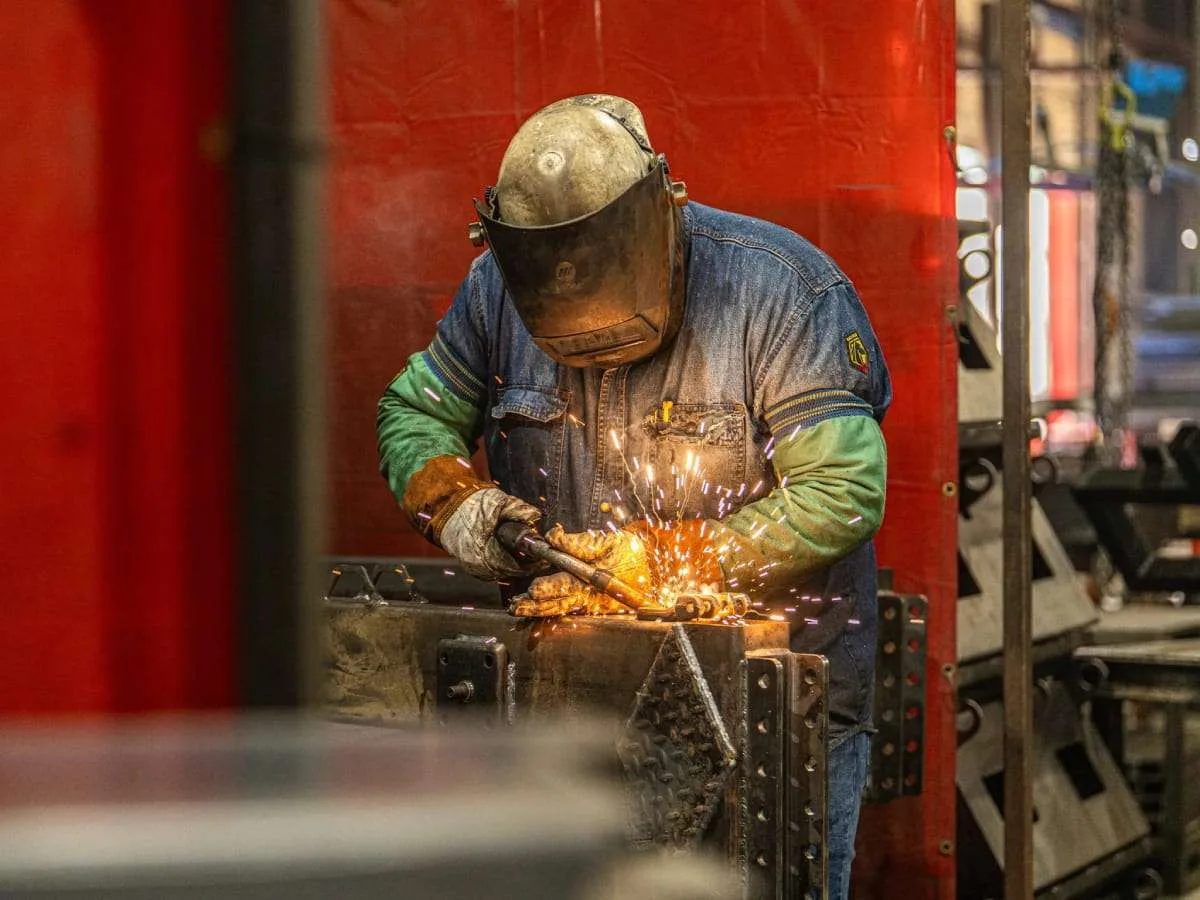
That means checking accessible areas of the frame and visible welds for signs of damage, cracking or other concerns.
Trailers that routinely carry heavy loads, travel rough roads or work on jobsites can take a beating over time.
Ramps, Doors and Moving Components
Depending on the type of trailer, we'll also look at components specific to its use.
That might include:
- Equipment ramps
- Ramp doors
- Cargo doors
- Latches
- Hinges
- Tie-down points
- Dump gates
- Other moving components
A small issue with a hinge or latch is usually much easier to deal with before it becomes a big one.
Dump Trailer Components
Dump trailers have additional systems to consider.
Depending on the trailer, that may include checking accessible hydraulic components, the battery and charging system, controls and other components involved in raising and lowering the bed.
If your dump trailer is moving slower than usual, struggling under load or behaving differently, tell us. That information can help us diagnose the problem.
When Should You Have Your Trailer Inspected?
There's no single schedule that's right for every trailer. Always start with the maintenance recommendations from your trailer, axle and component manufacturers.
Beyond that, consider an inspection if:
- You use the trailer frequently or commercially
- It's been sitting unused for a long period
- You're preparing for a long trip
- You recently purchased a used trailer
- You've noticed unusual tire wear
- Braking feels different
- You've noticed strange noises or vibration
- Something simply doesn't look or feel right
And if you can't remember the last time your trailer was inspected?
That's probably worth paying attention to.
An Inspection Isn't About Finding Things to Sell You
The goal is pretty simple: know what condition your trailer is in.
Some trailers come in and need repairs. Others need routine maintenance.
And sometimes the best news we can give you is that everything looks good and you're ready to get back to work.
At Country Boy Trailers, our service team works on trailers every day. From routine maintenance and inspections to brakes, bearings, wiring, axles, welding and repairs, we're here to help keep your trailer doing what it's supposed to do.
Need your trailer looked over? Bring it to Country Boy Trailers in Cumming or Mableton.
Behind You All The Way.