
Trailers are easy to forget about when everything is working.
Hook it up. Load it. Tow it. Park it.
But a little preventive maintenance can help catch problems before they turn into breakdowns, damaged equipment or expensive repairs.
So how often should you have your trailer serviced?
The answer depends on how you use it, but there are a few things every trailer owner should be checking regularly.
Start With Your Manufacturer's Recommendations
Your trailer, axle and component manufacturers may specify particular maintenance intervals, so those recommendations should always be your starting point.
How you use the trailer matters too.
A commercial trailer working five days a week has different maintenance needs from a utility trailer that gets used a few weekends each year.
Heavy loads, long trips, rough roads and frequent use can all mean more frequent inspections.
Tires Need More Than a Quick Glance
Before towing, look for:
- Low tire pressure
- Cracks or dry rot
- Uneven tread wear
- Bulges or other damage
- Nails or embedded objects
And don't forget the spare.
Trailer tires can age out before they wear out, particularly on trailers that sit for long periods.
Wheel Bearings Matter
Wheel bearings are one of those components you may not think about until there's a problem.
Depending on your trailer and axle manufacturer, bearings may need periodic inspection, adjustment and repacking or lubrication.
Ignoring them can turn a maintenance item into a roadside problem.
If you hear unusual wheel noise, notice excessive heat around a hub or see signs of grease leakage, have the trailer inspected.
Check Your Brakes
If your trailer has brakes, they need attention too.
Changes in braking performance, pulling, unusual noises or inconsistent braking are all reasons to have the system checked.
The brake controller in your tow vehicle should also be properly adjusted for your trailer and load.
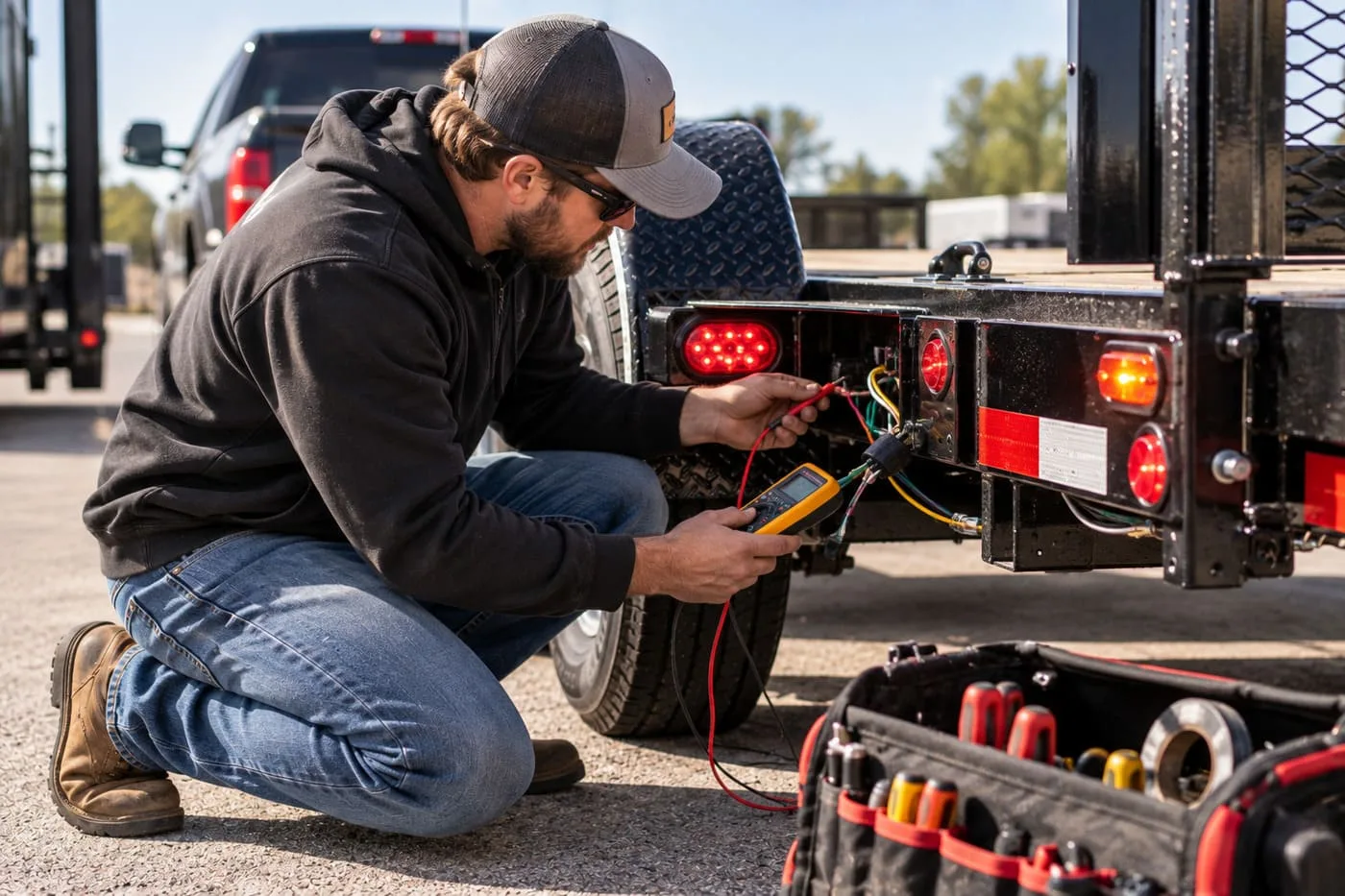
Lights and Wiring
Trailer wiring lives a hard life.
Water, road grime, vibration, corrosion and damaged connectors can all cause problems.
Before towing, check:
- Brake lights
- Turn signals
- Running lights
- Electrical connector
- Visible wiring
It's much better to discover a bad connection in your driveway than after you've already left.
Don't Ignore the Rest of the Trailer
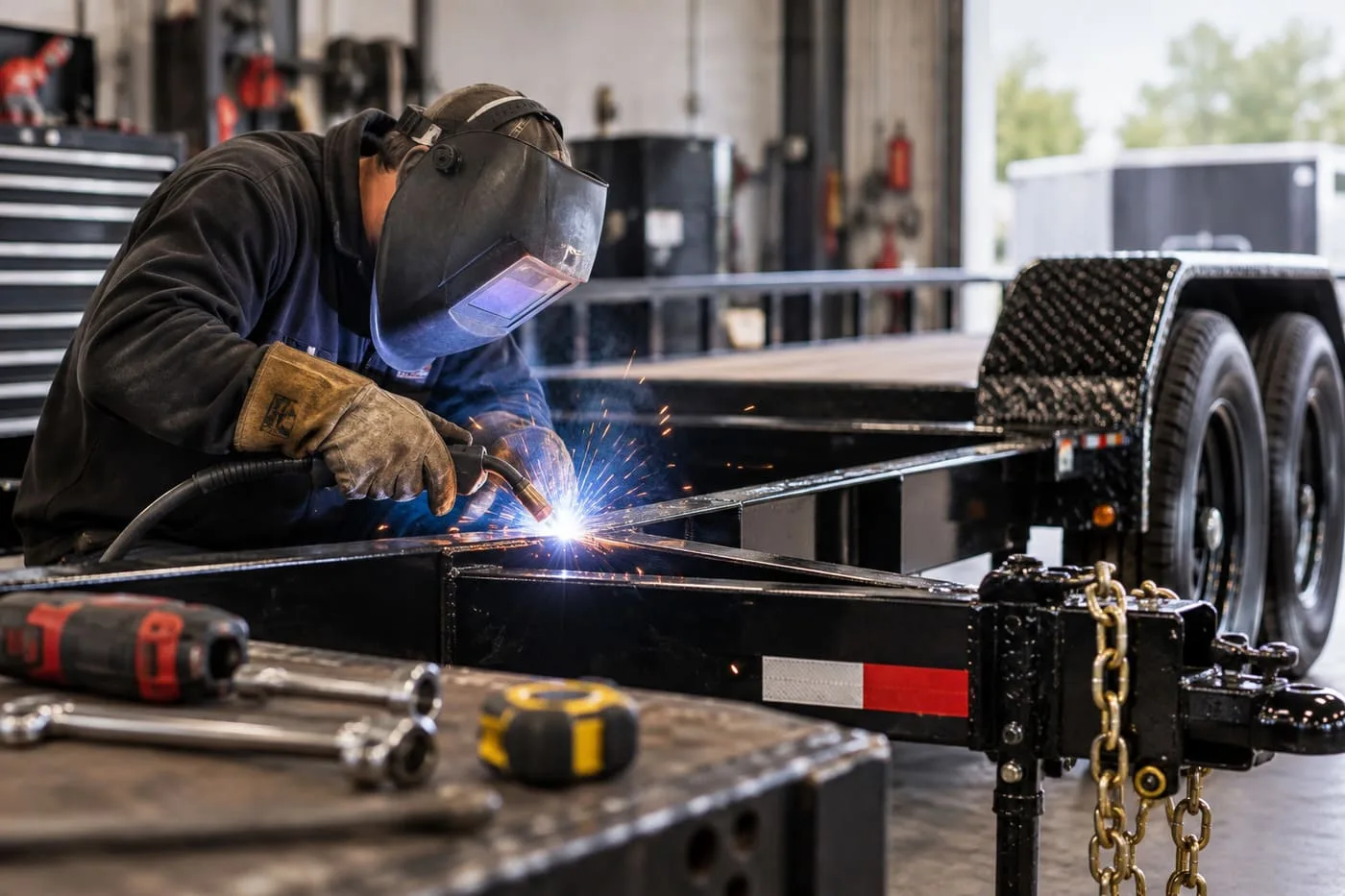
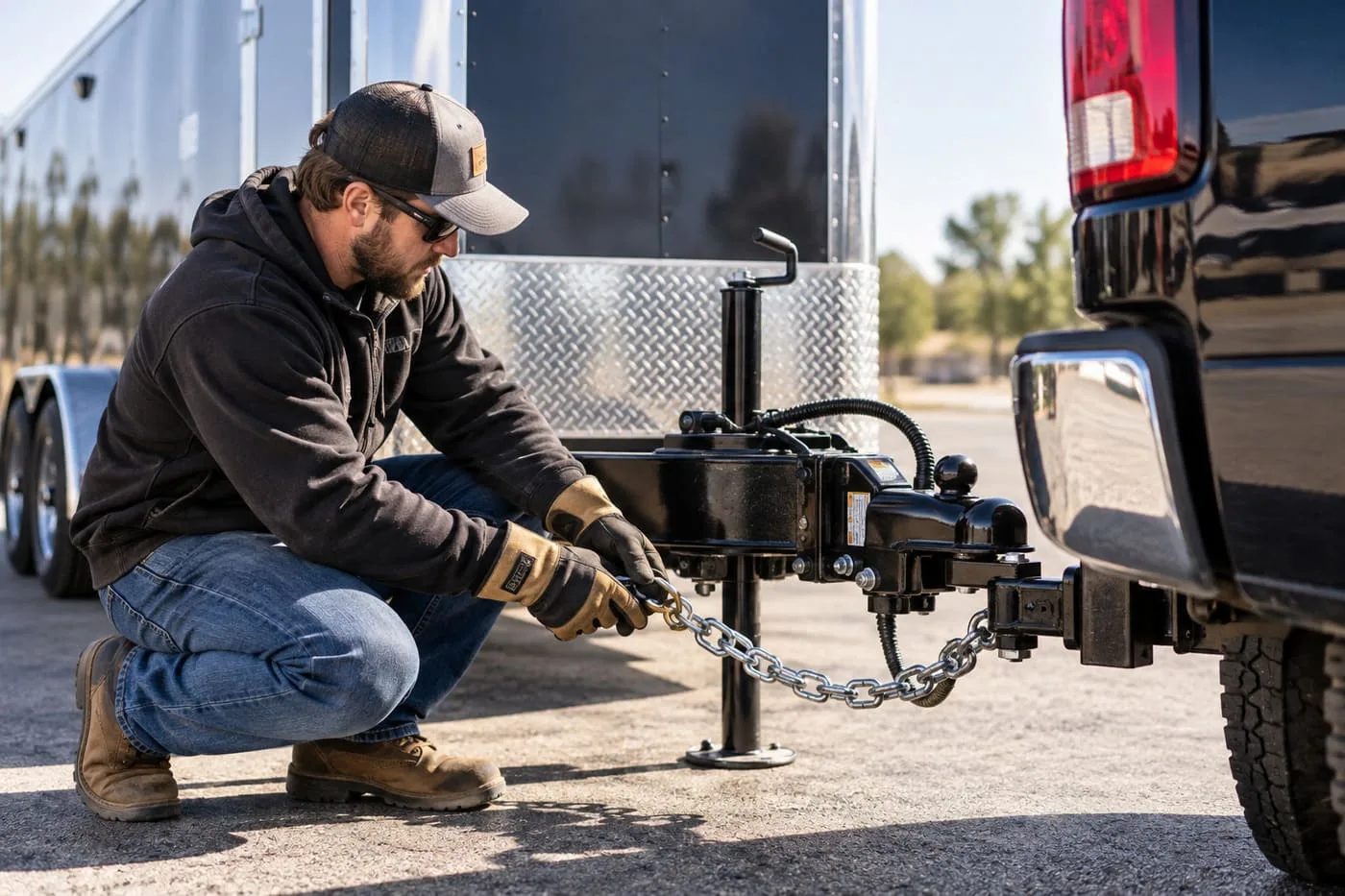
A good inspection should also include components such as the coupler, safety chains, breakaway system, jack, suspension, frame, welds and tie-down points.
Dump and equipment trailers may have additional components that need attention, including hydraulic systems, batteries, ramps and moving parts.
Preventive Maintenance Is Usually the Easier Option
There's no single service schedule that's perfect for every trailer.
The important thing is not to wait until something breaks.
If your trailer works hard, travels frequently or hasn't been inspected in a while, having a professional look it over can give you a much better idea of its condition.
Country Boy Trailers offers trailer maintenance and repair at our Cumming and Mableton locations.
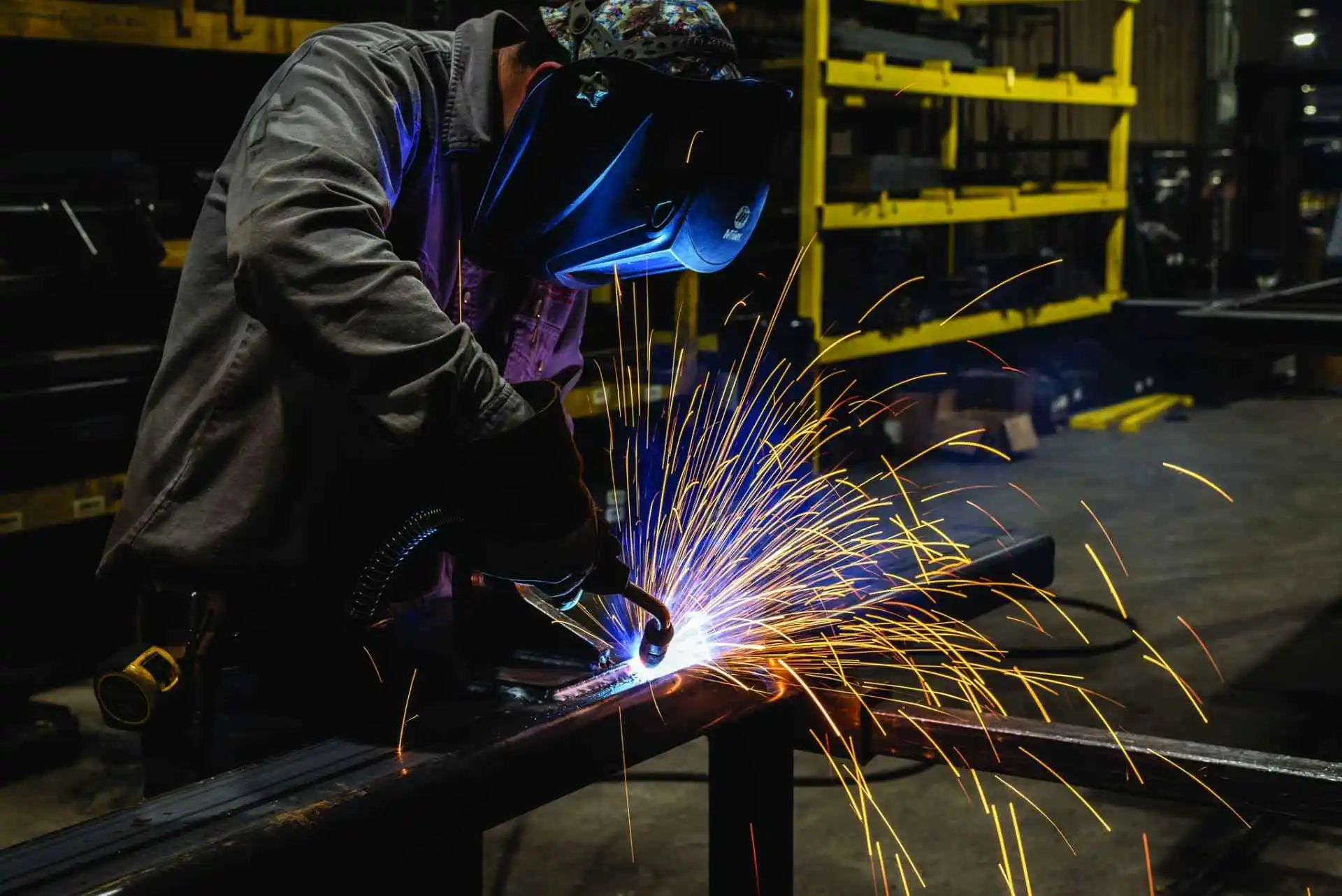
From bearings and brakes to wiring, axles, welding and general repairs, we'll help keep your trailer ready for the next job.
Behind You All The Way.